



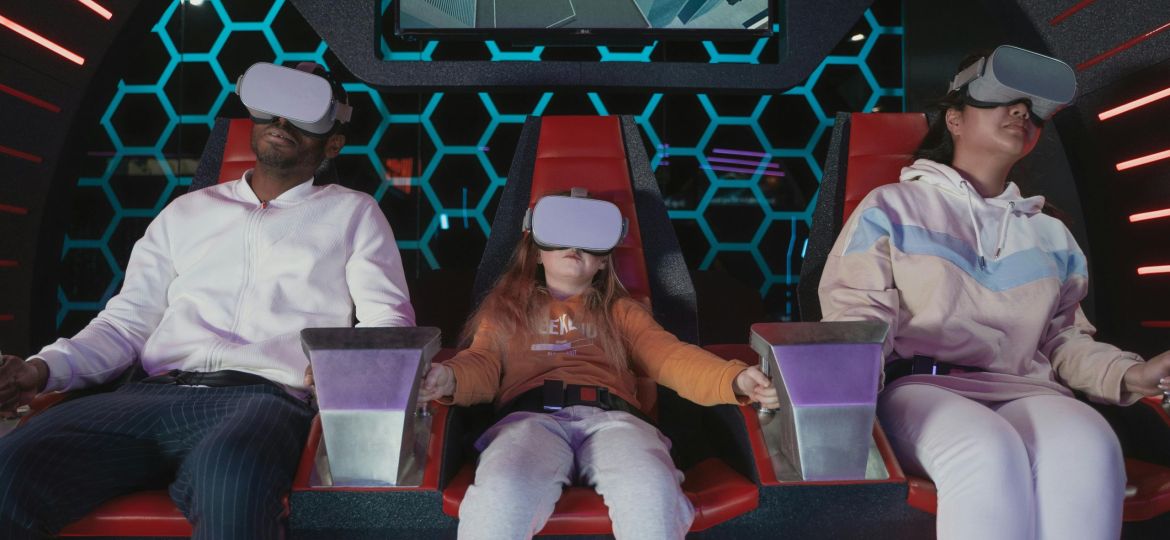
Immersive experiences are quickly becoming a powerful tool in modern marketing. From virtual reality to augmented reality and mixed reality, these technologies offer new ways for brands to connect with their audiences—beyond the limitations of a screen. As the tech matures, the question isn’t if brands should explore immersive storytelling, but how to do it in a way that drives real results. That’s where Marketing Method comes in—helping brands craft strategies that turn immersive engagement into measurable impact.
The Rise of Immersive Formats in Marketing
Immersive technologies have evolved rapidly over the past decade. Virtual reality (VR) fully places users in a new environment, often using headsets. Augmented reality (AR) overlays digital elements onto the real world, enhancing what’s already there. Mixed reality (MR) blends both, creating interactive experiences that respond to user input and real-world context. These formats are no longer exclusive to tech or gaming companies. Brands in retail, healthcare, entertainment, and B2B industries are now using immersive tools to tell stories, demonstrate products, and simulate services. According to McKinsey, immersive technology is becoming a core driver of marketing innovation.
What Makes Immersive Experiences Work?
The success of immersive brand experiences lies in emotional engagement. When users can interact with a product or message in a fully immersive setting, it builds stronger memory and emotional response. But not all formats work equally for every brand. VR excels in storytelling and education—it’s perfect for training modules, virtual product demos, or tours. AR is great for lightweight, interactive campaigns, such as trying on clothes or placing furniture in a home using a phone camera. Mixed reality is most effective for in-person events or advanced B2B demonstrations.
How to Measure Immersive Marketing ROI
It’s not enough to just impress users—you need to measure impact. Dwell time is a key metric: how long did someone engage with your experience? Longer time often indicates deeper interest. Share rate is another powerful indicator, showing how likely someone is to share the experience on social media. Sentiment metrics—gathered through feedback, reviews, or facial expression tracking—can reveal how your experience made users feel. Lastly, purchase intent surveys and conversion tracking will help you see whether the immersive moment led to real business results. Marketing Method uses these data points to refine and scale what works.
Case Studies Across Sectors
In entertainment, brands like Warner Bros. have used VR to transport fans into movie universes during film launches. Retailers like IKEA have successfully used AR apps to help shoppers visualize furniture in their homes before buying. In B2B, companies like Boeing use mixed reality to train employees in highly technical procedures, reducing errors and saving costs. These cases highlight that immersive experiences are not just “cool”—they’re practical business tools. A PwC study even predicts immersive technologies could add $1.5 trillion to global GDP by 2030.
Immersive brand experiences are no longer a futuristic fantasy—they’re here, and they’re changing the way people connect with brands. The key to success is choosing the right format, building experiences that align with your message, and measuring what matters. Marketing Method helps brands bridge the gap between story and strategy, guiding campaigns that leave lasting impressions and deliver results.